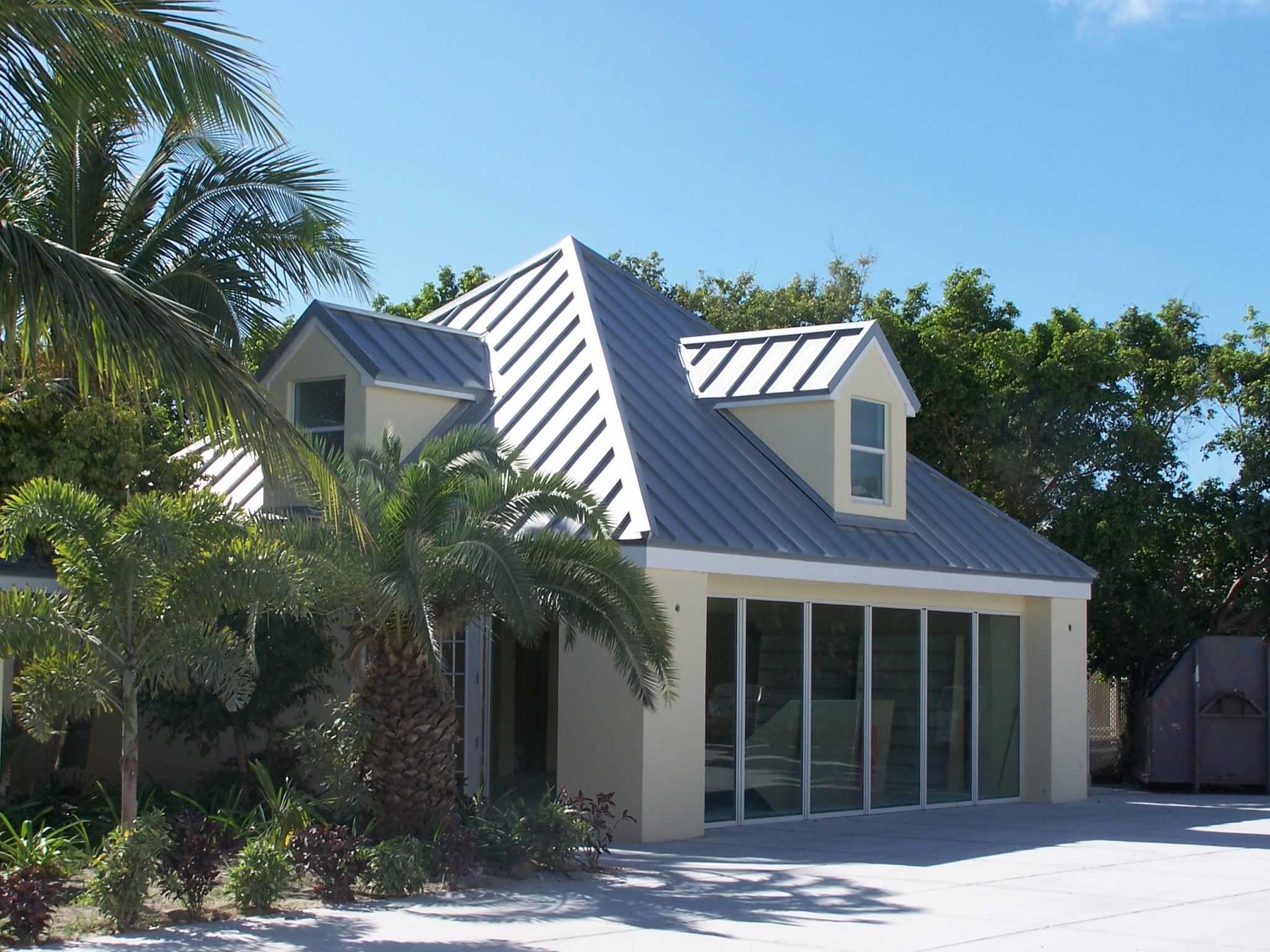
There is no single Caribbean building code
The most common and most costly assumption is that the Caribbean shares one code. It does not. The region has a long history of regional model documents, most notably the Caribbean Uniform Building Code, but adoption has always been uneven. Some jurisdictions legislated a model code into national law. Others wrote their own national code. Others again reference international standards such as the International Building Code and its associated load standards.
For a specifier, the practical takeaway is simple:
- Requirements differ from island to island, sometimes significantly.
- Two neighboring markets can reference completely different source standards.
- Codes are living documents. An island can update its wind provisions after a major storm, so what was current three years ago may not be current today.
Because of this, the code that governs your project is always the code in force for that specific island, administered by the local authority having jurisdiction. Every point below defers to that authority.
Why wind and salt drive the requirements
Caribbean roofing requirements are shaped by two forces above all others: high wind and a corrosive marine environment. Hurricane exposure pushes design wind pressures high, and roofing systems are judged heavily on uplift resistance, fastening, and edge detailing. Salt air accelerates corrosion, which affects fastener selection, coatings, and long term performance expectations.
This is why island codes, whatever their source, tend to converge on the same underlying concerns even when the specific numbers differ. A specifier who understands the intent behind the requirements is better positioned than one chasing a single figure, because the intent travels across jurisdictions even when the code language does not.
Why architects ask about Miami Dade testing
A frequent question on Caribbean projects is whether a product carries Miami Dade product approval. It is worth being precise about what this means. Miami Dade product approval is a United States county level product approval process. It is known for rigorous testing against severe wind and exposure conditions. No Caribbean jurisdiction legally requires it. Yet architects, engineers, and owners often ask for it anyway, because it functions as a recognizable, independent signal that a product has been tested against demanding wind and weather conditions similar to those a Caribbean roof will face.
In other words, it is used as a benchmark of confidence, not as a local legal mandate. The systems NTC distributes, including FiberTite membranes and metal roofing systems, have passed Miami Dade product approval testing, which is why they are straightforward to specify when an owner wants that assurance. What NTC does not do is claim that this testing substitutes for the approval the local authority having jurisdiction actually requires. Those are two separate questions, and both should be answered for every project.
The real friction is customs and logistics
On most Caribbean projects, the code is not the thing that stalls the job. Getting the material onto the island is. Import and customs treatment varies widely by market:
- Duties and fees differ significantly. Some markets carry high import costs. Turks and Caicos, for example, can run around 30 percent in customs on top of shipping.
- Transit time is never zero. Even the closest islands realistically need one to two weeks minimum once a shipment is moving.
- Certain products are treated as hazardous materials. Some roofing adhesives, for instance, can be held in quarantine for a few days on arrival and require correctly filed documentation to clear.
Each of these is manageable. Each is also a place where an incomplete or incorrectly filed form turns a two week delivery into a shipment sitting on a dock. The documentation a given island expects is specific to that island, and it is knowable in advance.
How a distributor keeps the project moving
This is where NTC's value sits. NTC is an authorized distributor, not a manufacturer and not an installer. What the role demands, and what NTC has built over two decades in the region, is working knowledge of how each market actually behaves:
- Which international or national standard a given island references, so the specification lines up with what the authority having jurisdiction will accept.
- Which products can be supported with the test documentation an owner or engineer is likely to ask for.
- What each island's customs process expects, how long clearance typically takes, and which materials will need hazardous material handling.
The result is fewer surprises. The specification is written against the right expectations, the documentation is prepared for the right jurisdiction, and the shipment is filed to clear rather than to sit.
How to work with island requirements
Use this as a starting framework, then confirm every item with the local authority for your specific project.
- Identify the jurisdiction and confirm which code and source standard it currently references.
- Confirm the current wind and exposure expectations with the authority having jurisdiction. Do not carry figures over from a prior project.
- Decide early whether the owner wants independent test signals such as Miami Dade product approval documentation, and specify accordingly.
- Map the import path: destination island, expected duties and fees, and realistic transit time.
- Flag any hazardous material items early so quarantine and paperwork do not surprise the schedule.
- Assemble product documentation before the shipment moves, matched to what that island's customs process expects.
- Keep the local authority as the final word on every specific requirement.
There is no single Caribbean code. The island, and its authority having jurisdiction, always has the final word.